Top 10 Most Profitable Franchises in Malaysia (2026 Edition)
Malaysia’s franchise industry is on track to hit a RM100 billion sales target by 2030. For investors in 2026, profitability is found at the intersection of cultural relevance (Halal) and urban convenience.
🏆 The Profitability Leaderboard
| Rank | Franchise Name | Category | Est. Investment (RM) | Why It’s Profitable |
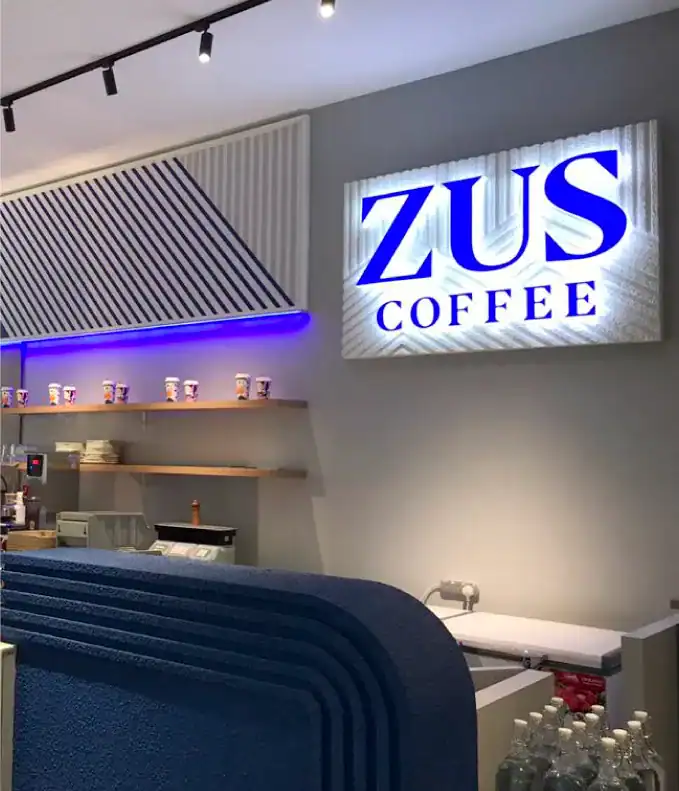
| 1 | ZUS Coffee | Coffee / Tech | RM 450k – 600k | Massive app-driven recurring revenue. |
| 2 | Tealive | Beverages | RM 250k – 500k | Low waste, high margin, 1,000+ store ecosystem. |
| 3 | FamilyMart | Retail | RM 400k – 550k | High basket size due to fresh food (Oden/Sofuto). |
| 4 | LaundryBar | Services | RM 170k – 300k | “Passive” income model with minimal staffing. |
| 5 | 99 Speedmart | Retail | RM 300k – 500k | High-volume, recession-proof essential goods. |
| 6 | Secret Recipe | F&B / Cakes | RM 600k – 800k | Established brand loyalty across all demographics. |
| 7 | Anytime Fitness | Wellness | RM 1M – 1.5M | High-margin membership model in urban hubs. |
| 8 | Q-dees | Education | RM 150k – 250k | Recurring tuition fees with proven curriculum. |
| 9 | Marrybrown | Halal F&B | RM 800k – 1.2M | Dominant in suburban and East Malaysia markets. |
| 10 | Mail Boxes Etc. | Logistics | RM 100k – 200k | Driven by the $11B Malaysian e-commerce surge. |
2026 Performance Data
Building a franchise portfolio in 2026 requires looking beyond brand names and focusing on Hard Data. In Malaysia, the winners are those leveraging “Asset-Lite” models, digital ecosystems, and the upcoming Visit Malaysia 2026 tourism surge.
Here is the redrafted list of the Top 10 Most Profitable Franchises in Malaysia for 2026, backed by the latest financial trends and IPO data.
Analysis of Performance Data
1. ZUS Coffee: The Tech-Efficiency Champion
- Performance Data: In late 2024, ZUS secured RM250 million in funding to fuel its 2025–2026 expansion. It now operates over 750 outlets, surpassing Starbucks in local store count.
- Profitability Driver: Their proprietary app handles over 70% of transactions. This “App-First” model reduces front-desk labor costs and allows for hyper-targeted “Rainy Day” push notifications, maintaining a net income that tripled in the previous fiscal year despite rising bean costs.
2. 99 Speedmart: The Recession-Proof Titan
- Performance Data: Following Malaysia’s largest IPO in seven years (September 2024), the brand is targeting 3,000 stores by end-2025.
- Profitability Driver: High-volume, low-margin essential retail. They command a 40.1% market share in the mini-market sector. With a revenue CAGR of 13.1% projected through 2026, their “Near n’ Save” proximity model makes them the most stable investment for high-net-worth franchisees.
3. Tealive (Loob Holding): The IPO Powerhouse
- Performance Data: Parent company Loob Berhad filed its IPO prospectus in mid-2025 for a Main Market listing. They reported a net profit of RM51.6 million on RM591 million revenue for FY2024.
- Profitability Driver: Market saturation and FMCG integration. With 830+ stores, Tealive has successfully pivoted into supermarkets with 3-in-1 sachets, creating secondary revenue streams for the brand while maintaining a dominant 50% share of the tea-shop segment.
4. FamilyMart (QL Resources): The Fresh Food Engine
- Performance Data: QL Resources’ FY2025 report highlights the CVS (Convenience Store) segment as a primary growth driver, with a 92.6% engagement score for the brand.
- Profitability Driver: High-margin Fresh Food (Oden, Bento, Sofuto). Fresh food accounts for a significant portion of their sales compared to traditional retailers. Their new “FM Mini” (vending and smart kiosks) allows for expansion into transit hubs with minimal staffing.
5. Bask Bear Coffee: The “Toast & Coffee” Disruptor
- Performance Data: Also under Loob Berhad, Bask Bear has rapidly scaled to 135+ stores as of 2025.
- Profitability Driver: The “Coffee + Toasties” combo increases the Average Transaction Value (ATV). By sharing supply chains with Tealive, they achieve massive operational efficiencies that smaller coffee chains cannot match.
6. LaundryBar (City Coin Laundry): The Passive Income Leader
- Performance Data: Self-service laundry remains a top “semi-passive” choice for 2026.
- Profitability Driver: Minimal staffing requirements. With the rise of integrated e-wallets and IoT monitoring, owners can manage multiple outlets remotely. It remains a “recession-proof” service as urban high-rise living (without drying space) continues to grow.
7. Anytime Fitness: The Recurring Revenue King
- Performance Data: The wellness sector is booming ahead of Visit Malaysia 2026, with fitness becoming a lifestyle priority for Gen-Z.
- Profitability Driver: Low-staffing, 24/7 key-fob access model. High-margin monthly memberships provide predictable cash flow, while their global reciprocity (one key works everywhere) attracts the growing expat and “digital nomad” population in KL and Penang.
8. Q-dees: The Education Anchor
- Performance Data: Private education demand remains inelastic in Malaysia.
- Profitability Driver: Proprietary “Link & Think” methodology. Education franchises offer high retention rates—once a child is enrolled, the revenue is secured for years. Low inventory risk compared to F&B makes it a “cleaner” operational model.
9. Mail Boxes Etc. (MBE): The E-commerce Enabler
- Performance Data: Driven by Malaysia’s RM100 billion+ e-commerce market.
- Profitability Driver: Logistics is the “picks and shovels” of the digital age. MBE profits from the high volume of returns and specialized packing services required by Shopee and Lazada sellers. It requires smaller retail space than a cafe, lowering rental overhead.
10. Marrybrown: The Halal Global Export
- Performance Data: One of the world’s largest Halal fast-food chains with a strong presence in the Middle East and ASEAN.
- Profitability Driver: Localized menu innovation (Nasi Lemak MB). Their ability to out-compete Western brands in suburban and rural areas gives them a unique “blue ocean” advantage where rental costs are significantly lower than urban malls.
2026 Profitability Matrix
| Franchise | Capital Needed | ROI Timeline | Management Style |
| ZUS Coffee | RM 450k+ | 18–24 Months | Tech-Heavy |
| 99 Speedmart | RM 500k+ | 36+ Months | High-Volume |
| LaundryBar | RM 200k+ | 24–30 Months | Semi-Passive |
| Anytime Fitness | RM 1M+ | 30–36 Months | Membership-Based |
Frequently Asked Questions (FAQs)
What is the most profitable franchise in Malaysia in 2026?
ZUS Coffee and 99 Speedmart are currently the top-performing franchises in Malaysia. ZUS Coffee’s tech-driven model has enabled it to scale to 750+ outlets with high margins, while 99 Speedmart’s RM9.98 billion revenue (FY2024) and goal of 3,000 stores by end-2025 make it the leader in recession-proof retail.
How much does a ZUS Coffee franchise cost in 2026?
The estimated initial investment for a ZUS Coffee outlet ranges from RM 450,000 to RM 600,000. This includes a technology fee for their proprietary app, which processes over 70% of orders, significantly reducing labor costs and improving profitability.
What is the national franchise sales target for Malaysia?
The Malaysian government has set an ambitious target to reach RM100 billion in national franchise sales by 2030. This growth is supported by the Visit Malaysia 2026 initiative and an annual industry growth rate of 8% to 10%.
About Franchise-Info
Explore, Compare, & Master Global Franchise Investments. Navigate the world’s most profitable opportunities with data-driven insights.
Subscribe Now: Get Monthly Franchise News and Industry Updates.